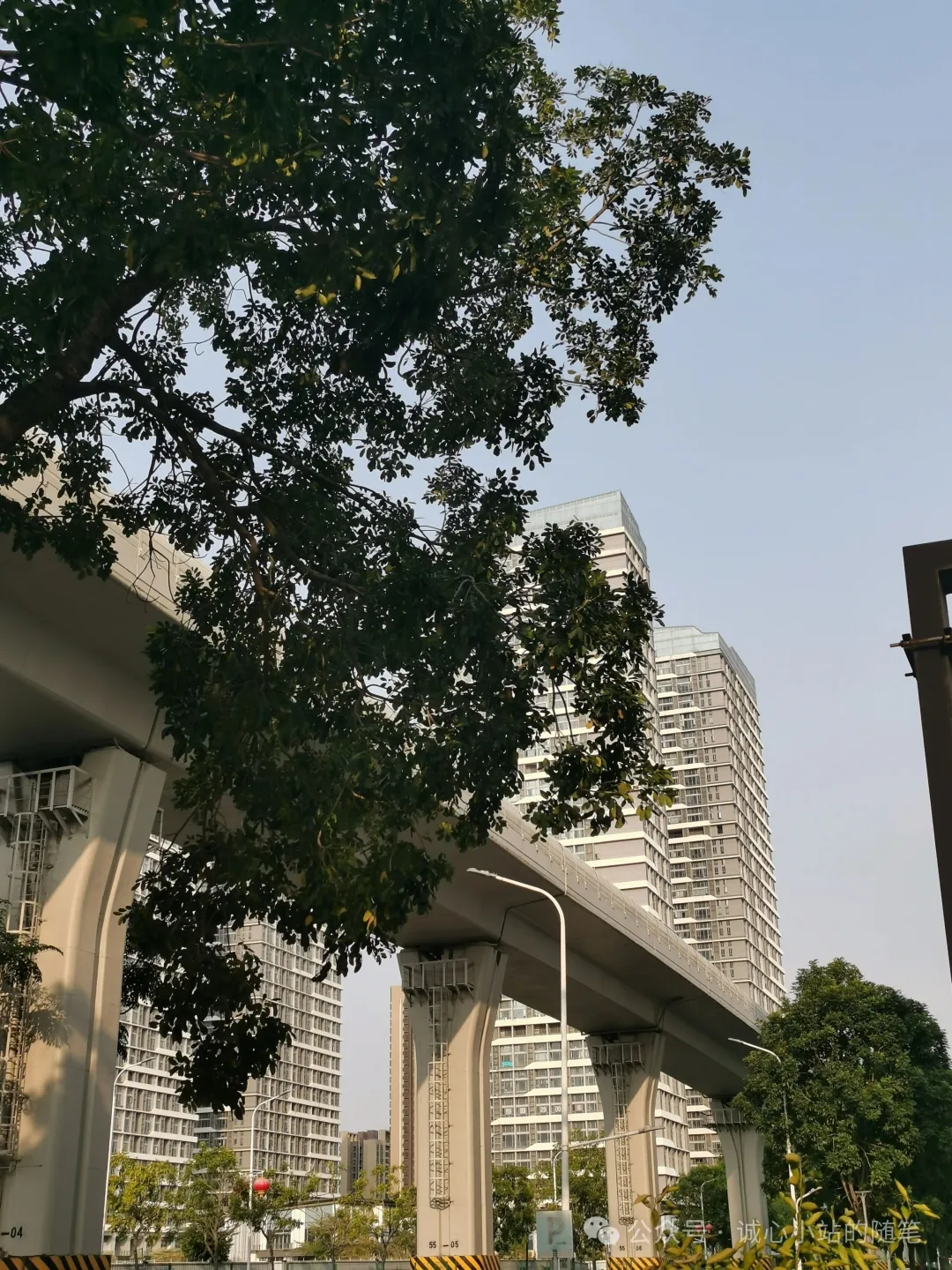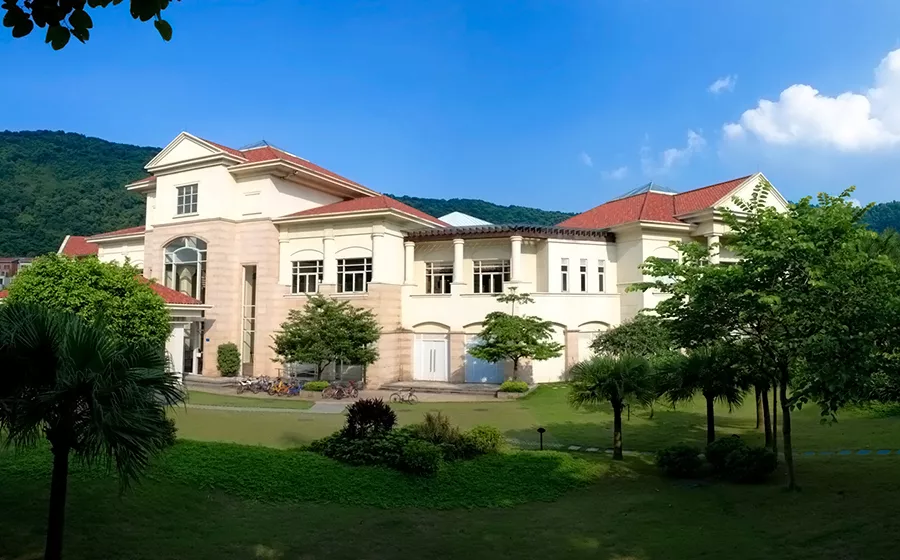
Headline (March 2026): Guangzhou lifted purchase restrictions for the whole city, including the former 120 m² cap and the one-property rule. Expats can now buy any size and any number of commodity housing units with a valid passport or foreign permanent-residence ID — no work certificate, no school certificate, no self-use affidavit, no income proof. The Nansha youth talent subsidy (¥30,000, one-off) is still running until 30 April 2026 for qualifying expats.
Guangzhou has historically been one of the easier mainland cities for foreigners to buy property in. The 2026 update goes further: a foreigner who can show a clean source of offshore funds, who can be flexible on title tenure (70-year residential vs 40/50-year commercial) and who actually plans to live in the unit can complete a purchase in much the same way as a local. The expat experience differs from Beijing or Shanghai mainly in the lighter documentation, the lower baseline prices, and the long tail of family compounds in Tianhe, Baiyun, Panyu and Ersha Island. Below is the full picture as of mid-2026.
Five rules every expat should know
- No citywide purchase cap since March 2026. The former 120 m² ceiling for non-residents, the one-property limit and the distinction between restricted and unrestricted districts were all retired by the March 2026 policy. Whether you buy in Tianhe, Yuexiu, Liwan, Haizhu, Baiyun, Huangpu, Panyu, Nansha, Huadu, Conghua or Zengcheng, the same citywide rules now apply.
- Passport or foreign permanent-residence ID is enough. No work certificate, no employer business licence, no organisation code, no school enrolment certificate and no self-use affidavit are required for the application itself. The general rule that the unit must be used for self-residence still applies, but it is no longer a sworn pre-condition.
- No limit on number of units. The legacy "one residential property per non-resident household" rule was lifted in the same March 2026 reform. Multi-property portfolios are now permissible on the documentation side, though mortgage terms still depend on each bank's own policy.
- Funds must come from overseas, in your own name. The purchase price has to be remitted from a foreign currency account under the buyer's own name. Bank slips must mark the transfer as "购房款" (purchase payment). Domestic unreported income, third-party transfers and even spousal transfers require a notarised gift or loan agreement.
- Self-use, not investment. The unit must actually be used as a residence. Using it as a rental property, serviced apartment or commercial premises without registering the change is grounds for freezing, fines or unwinding under the City Real Estate Administration Law.

The Nansha youth talent subsidy (still active until 30 April 2026)
Nansha's "青出于南" plan from 2025 was extended into 2026. For foreign talents who buy their first new commodity residential unit in Nansha between 28 March 2025 and 31 December 2025 (signed via the online 网签 system), the district adds a one-off ¥30,000 housing subsidy, after individual income tax, paid into the buyer's personal account. Application window for the subsidy itself runs 28 February 2026 to 30 April 2026 via the 南沙@i企 platform.
The qualifying conditions are tight. You must, at the time of application, be a Nansha hukou, a Hong Kong/Macau/Taiwan resident or a foreign national; hold a full-time college degree or above (overseas degrees must be certified by the Chinese Service Centre for Scholarly Exchange); have bought a first new commodity home in Nansha during the eligible window; have worked in Nansha with one year of continuous social-security contributions (state organs and overseas employees are exempt); be under 45 at the time of signing; and not be a serving public-sector or statutory-body employee. The same unit can only claim once, ownership cannot change during the claim period, and resettlement, replacement, talent and shared-equity housing are all excluded.
Application paperwork (foreign applicants): purchase contract, 网签 certificate, first-payment receipt, degree certificate (with notarised Chinese translation if issued overseas), social-security record (or exemption certificate), passport, and the completed 南沙@i企 form. Late or incomplete submissions are not accepted.
Three expat-favourite compounds worth knowing
A 2018 review of local villa compounds highlighted three estates that, in different ways, defined what foreign tenants in Guangzhou were prepared to pay a premium for. They are still in the conversation in 2026 — both as rental references and as purchase benchmarks in the segments they represent.
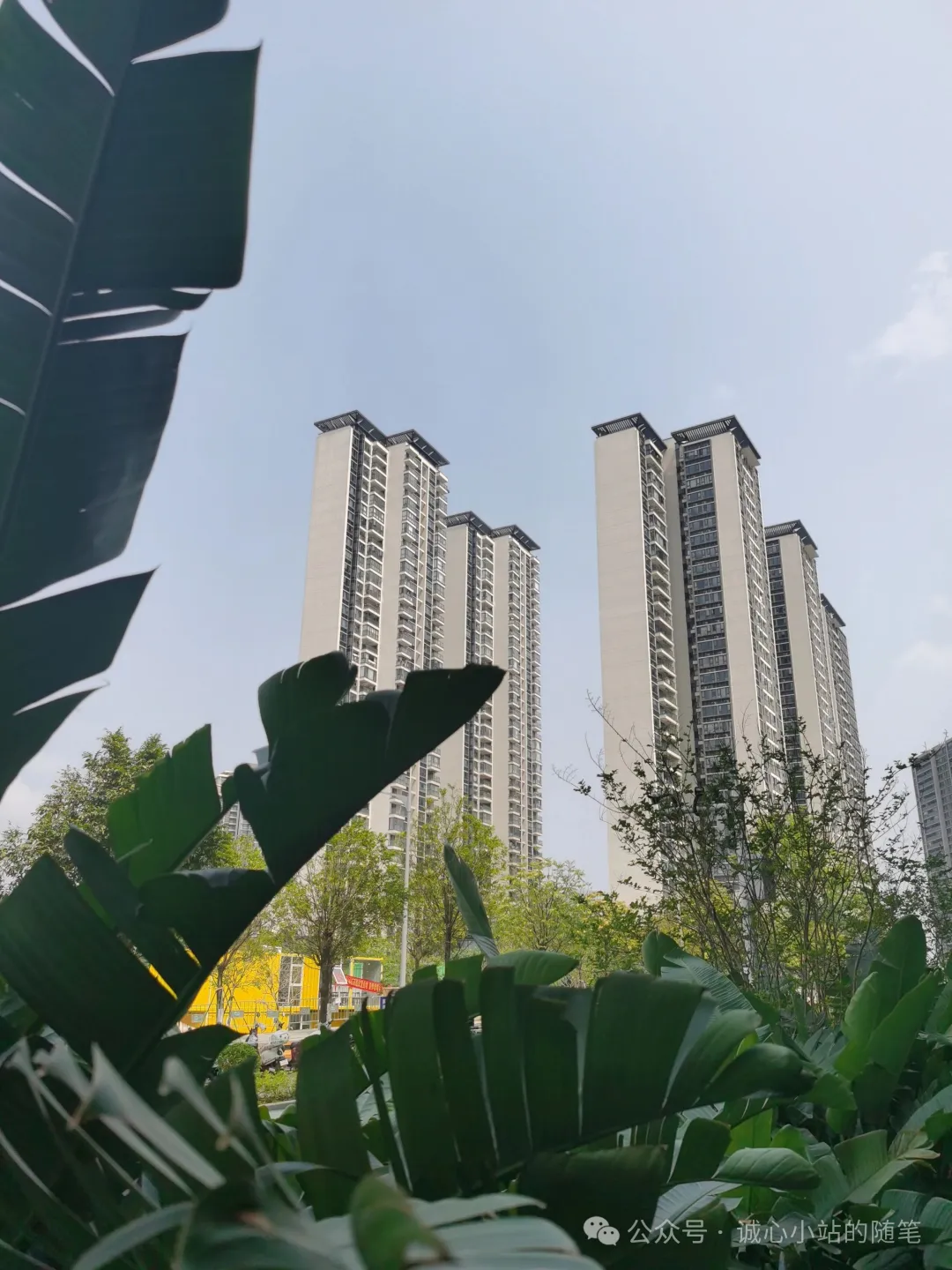
Jinhu Garden (Baiyun)
350 m² · 4-bed · ~¥48,000/month rent reference. A New World China Estates compound at the foot of Baiyun Mountain with primary school, kindergarten, community clinic, sports fields and a 1,000+ space basement garage. Rare "city-centre villa" feel inside the ring road.
Best for: families wanting greenery inside the city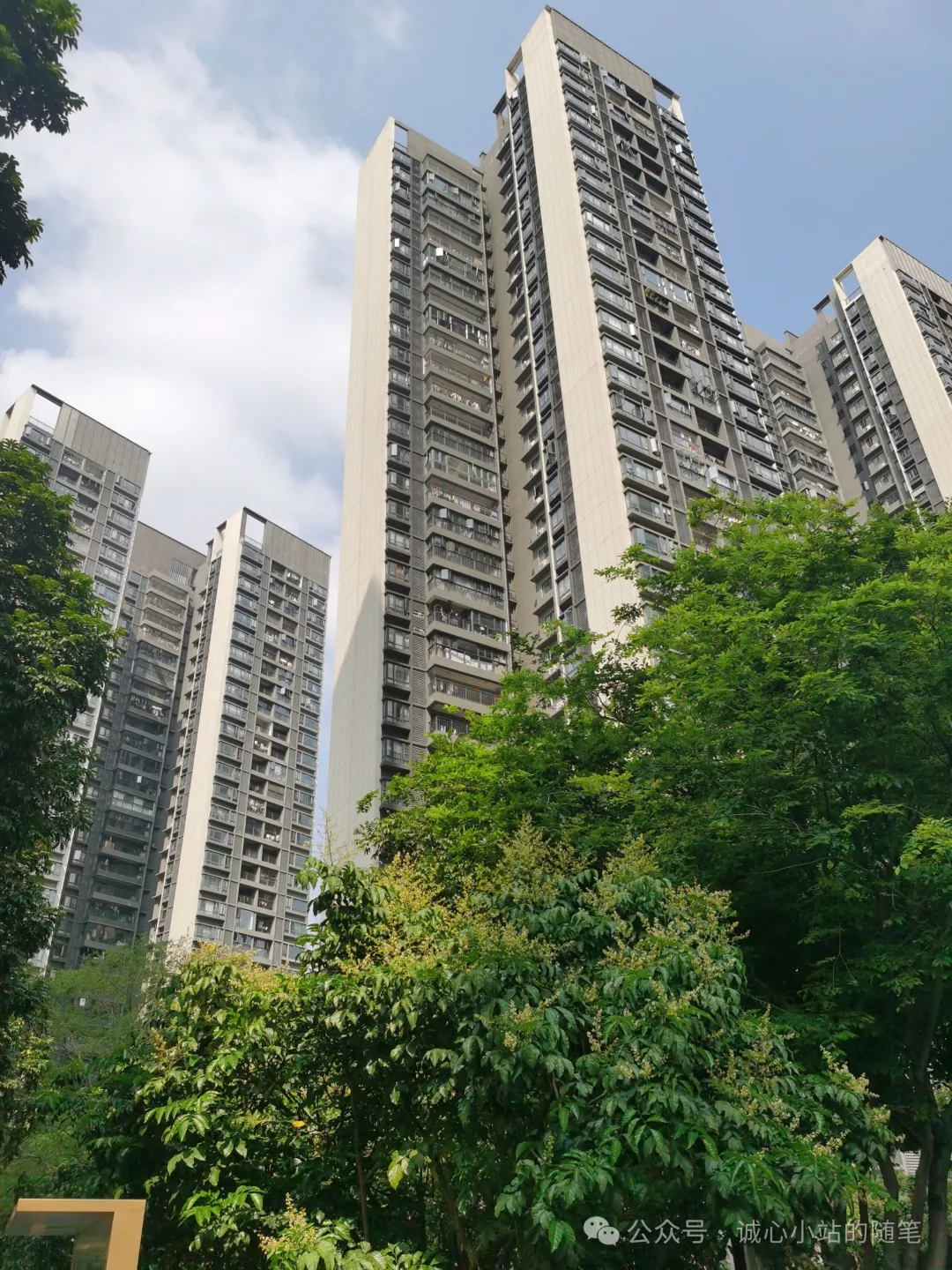
Baiyun Fort Villas (Baiyun)
460 m² · 5-bed · ~¥43,600/month rent reference. Halfway up Baiyun Mountain, built around a private lake. Lake fishing from the garden, panoramic mountain views and quiet that the central districts cannot match.
Best for: senior executives, families who want quiet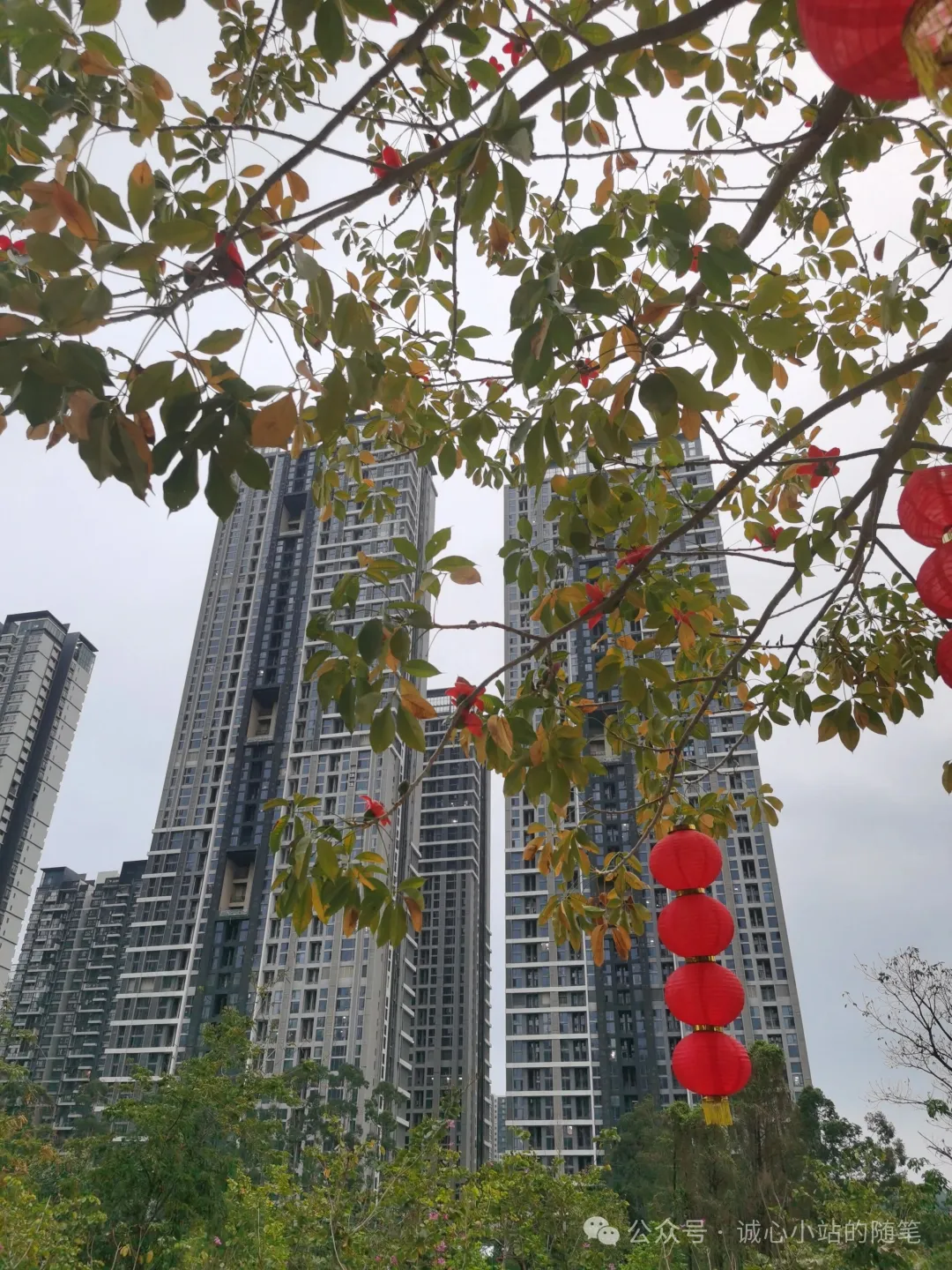
Jinya Garden (Ersha Island)
400 m² · 5-bed · ~¥100,000/month rent reference. The quietest of the three: low-rise, garden-style, riverfront on Ersha Island. Pool, tennis, sauna, French kindergarten on site. The address is the diplomatic enclave — central yet green.
Best for: senior expat executives, families with international-school-age childrenWhat about price? A 2026 reference
Tianhe still leads the city. The 2026 mid-market planning baseline looks roughly like this:
| Layout (~size) | Tianhe (Zhujiang New Town, Liede) | Yuexiu / Haizhu (inner ring) | Panyu / Baiyun outer compounds |
|---|---|---|---|
| 1-bed (~55 m²) | ¥3.5m–5.5m (USD 0.49m–0.76m) | ¥2.8m–4.0m (USD 0.39m–0.55m) | ¥1.6m–2.6m (USD 0.22m–0.36m) |
| 2-bed (~85 m²) | ¥5.5m–8.5m (USD 0.76m–1.18m) | ¥4.5m–6.5m (USD 0.63m–0.9m) | ¥2.6m–4.2m (USD 0.36m–0.58m) |
| 3-bed (~115 m²) | ¥8m–13m (USD 1.1m–1.8m) | ¥6.5m–10m (USD 0.9m–1.39m) | ¥3.8m–6.5m (USD 0.53m–0.9m) |
| Villa (300–450 m²) | ¥18m–40m (USD 2.5m–5.6m) | ¥14m–28m (USD 1.9m–3.9m) | ¥8m–18m (USD 1.1m–2.5m) |
Pricing is mid-2026 reference for ordinary residential (70-year tenure) stock. Commercial apartments (40/50-year) sit outside this table; compounds vary widely in management fees and amenities — always confirm both.
What the transaction really costs
Beyond the headline price, four lines decide whether the deal still makes sense:
- Deed tax (契税). First-home ≤140 m² pays 1%; first-home >140 m² pays 1.5%. Second-home ≤140 m² pays 1%; second-home >140 m² pays 2%. For most expats buying their one permitted unit, the 1% rate is the common case.
- Stamp tax (印花税). 0.05% on the purchase contract. Modest, but it is part of the closing cost.
- Agent fee. Negotiated, typically 1% to 2% of the price. Always get the figure in writing before viewings begin.
- Mortgage pre-approval. Most banks lend up to 70% LTV for ordinary residential; commercial apartment loans require 50%+ down on commercial-loan terms, which carry a higher rate. Get the bank's pre-approval letter before signing.
Inside the unit: what to look at
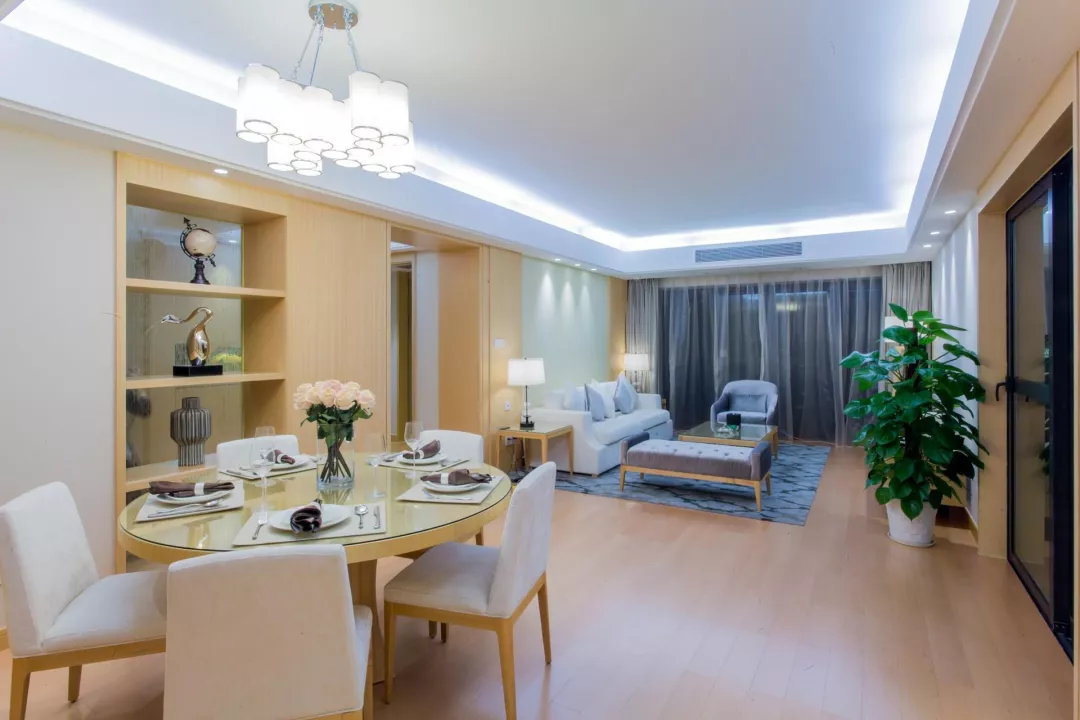
The first viewing is too short to catch everything. Walk through these five in order before you put down earnest money:
- Natural light. Stand in each room at the time of day you would normally use it. Guangzhou's subtropical sun is intense; a north-facing living room is a different decision from a south-facing one.
- Air-conditioning and ventilation. Older compounds sometimes have one outdoor unit per flat. Check the building's chiller-water system, the property-management fee schedule and what is included.
- Storage and parking. Older Guangzhou apartments often have smaller storage rooms and tighter parking ratios. Confirm in writing whether parking spaces, storage rooms and any garden or roof area are part of the price.
- Walls and insulation. Foreign residents used to thick walls sometimes notice the relative thinness of Chinese residential walls. Look at the year of construction; post-2010 builds generally meet higher insulation standards.
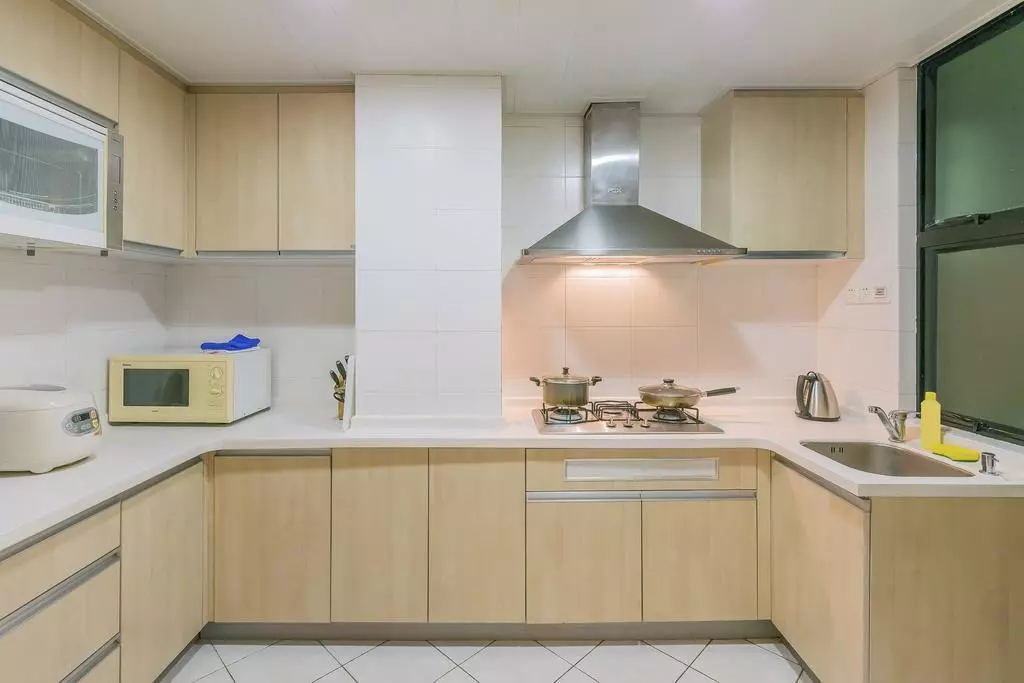
- Kitchen and bathroom condition. A gut-renovation on handover is much cheaper than doing it yourself after signing.
What to do this week, in order
Frequently asked questions