
In 2026 a one-bedroom in central Shanghai averages about ¥7,000 a month, and every district sorts neatly around that line. Search "where to live in Shanghai" and you get either a flat list of all sixteen districts with no prices, or a sycamore-lined daydream that quietly costs ¥25,000. Neither tells you where you can afford to wake up. This guide puts the city's rental market on four rungs and tells you which districts each one opens, who each band suits, and where the math flips.
The four rungs at a glance
Screenshot this and send it to the friend who just signed a Shanghai contract and keeps asking "but is Pudong good?":
| Rent band (1-bed) | Districts it opens | Who it suits |
|---|---|---|
| ¥3,500–6,000 | Yangpu, Putuo, Baoshan, outer Pudong | First job, students, savers who don't mind a commute |
| ¥6,000–9,000 | Hongkou (North Bund), Changning (Zhongshan Park), Pudong Jinqiao | Young pros wanting metro and cafés, no centre tax |
| ¥9,000–14,000 | Jing'an core, central Xuhui, Huangpu, Gubei | Couples and dual-income who want to walk home from dinner |
| ¥15,000+ | Xuhui lane houses, Xintiandi, Lujiazui towers, Jinqiao and Minhang villas | Families with school runs, senior hires on a package |
Prices are mid-2026 modern one-bedrooms (Numbeo and current listings). Older walk-ups run cheaper, serviced flats run higher. At ~7.2 RMB/USD the first three rungs run roughly USD 490–2,000; the fourth starts around USD 2,085. Two people splitting a two-bedroom usually pay less per head than a single one-bed — which is how couples quietly live a rung above their income.
Rung 1 — Under ¥6,000: the outer ring
This is the outer ring, and there is no shame in it. Yangpu, up around Fudan and Tongji, comes with student energy and cheap noodles. Putuo along the Changshou corridor gives you solid metro for less. Baoshan and the far edges of Pudong round out the ¥3,500 to ¥6,000 band. You get more square metres and a longer ride, usually thirty to fifty minutes into the centre. It suits first-year arrivals, students, and anyone whose real plan is to bank the difference and explore the city on weekends rather than from their doorstep.
Rung 2 — ¥6,000 to ¥9,000: the math flips
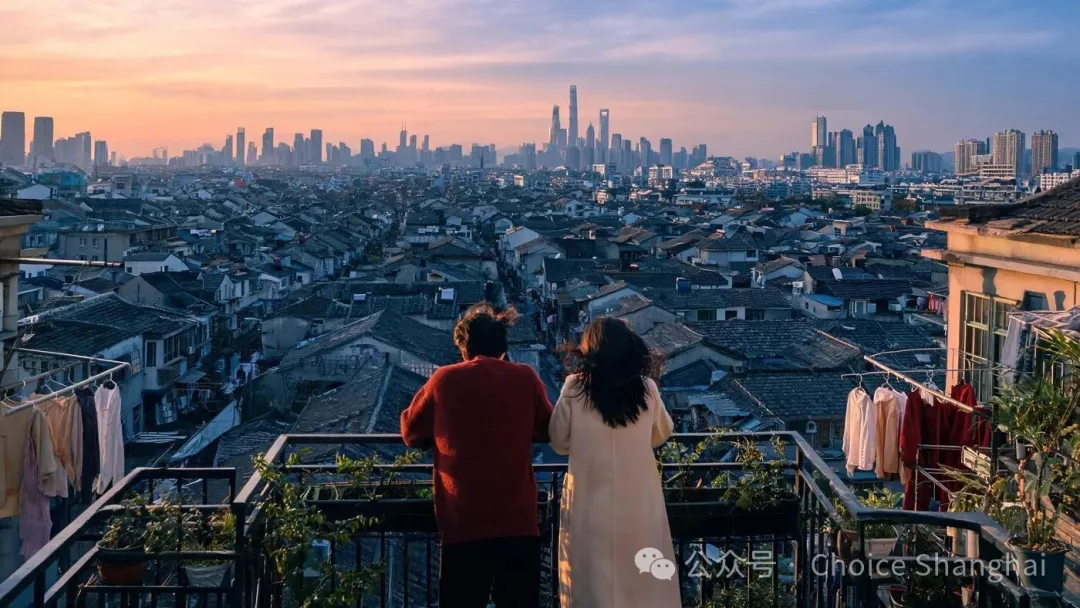
Here is where Shanghai starts feeling like yours. Hongkou, north of Suzhou Creek around the North Bund, is cheaper than Jing'an with a cafe scene catching up fast. Changning around Zhongshan Park is central-ish without the central price. Pudong's Jinqiao and Century Park give you parks and breathing room. This is the rung where the maths flips: a ¥7,000 one-bed in Hongkou near a metro line beats a ¥7,000 one-bed nobody can find in Jing'an, because in Hongkou ¥7,000 is the ceiling and in Jing'an it is the floor. Ideal for young professionals who want a metro stop, a local coffee place, and money left at the end of the month.

Rung 3 — ¥9,000 to ¥14,000: the centre, finally
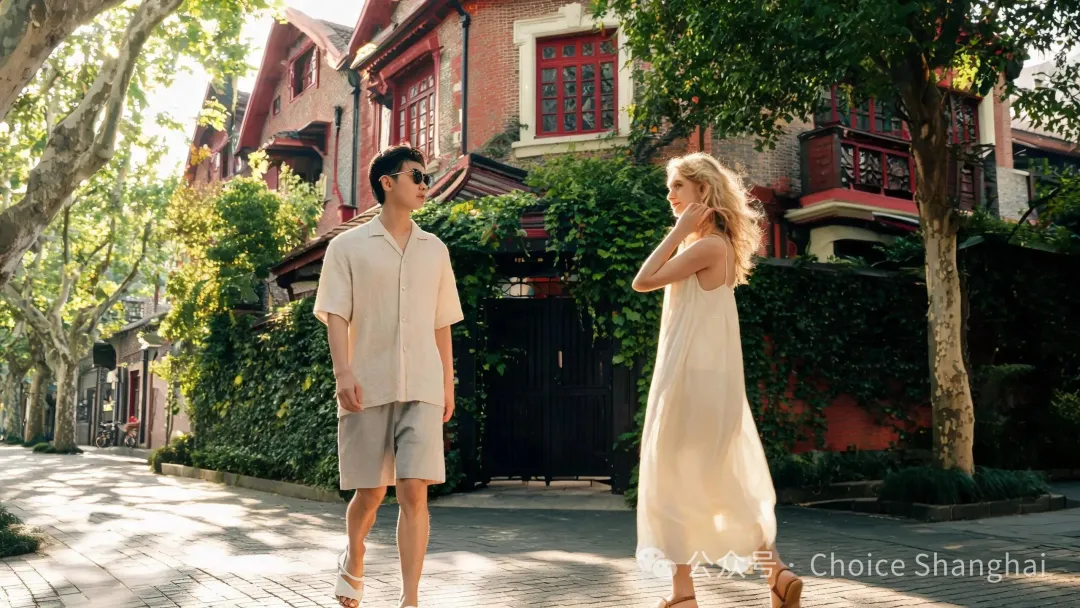
The centre, finally. Jing'an core runs about ¥9,000 to ¥12,000 for a proper one-bedroom, all tree-lined lanes and renovated 1930s walk-ups with the cafe culture built in. Central Xuhui gives you the sycamore streets, and the lanes around Wukang Lu and Fumin Lu if you want the photogenic version. Huangpu puts you next to Xintiandi. And Gubei, over in Changning, runs ¥8,000 to ¥15,000 with Japanese supermarkets, Korean barbecue streets and bilingual everything, which is why East Asian families settle there for years. This rung is for couples and dual-income households who would rather walk home from dinner than wait on a Didi.
Rung 4 — ¥15,000 and up: package territory
Package territory. Renovated lane houses around Wukang Lu and Anfu Lu ask ¥18,000 to ¥50,000 or more for two bedrooms. Xintiandi and the Lujiazui towers sell you the skyline. And the villa compounds of Jinqiao and Minhang exist for one reason: families who want a garden and a short run to an international school. At these numbers the deposit and agent fee become a serious first cheque, so learn how how Shanghai deposits and agent fees actually work before you commit, and never wire a landlord you have not verified in person.
If you remember one line
In Shanghai you are not really choosing a neighbourhood, you are choosing a rent, and the neighbourhood comes attached. Pick the monthly number you can pay without flinching, then fall for whatever district it hands you.