
Just arrived in China, or planning a move? Between an unfamiliar city, contracts you can't read, and processes you don't know, renting can feel overwhelming. This guide walks through the three housing types you'll actually choose between, the paperwork, the clauses worth checking, and the pitfalls to avoid — so you can find a place that truly feels like home.
Part 1 — The 3 types of rental housing in China
In China, foreigners mainly choose between three housing types. Each has trade-offs; picking the right one saves a lot of trouble.
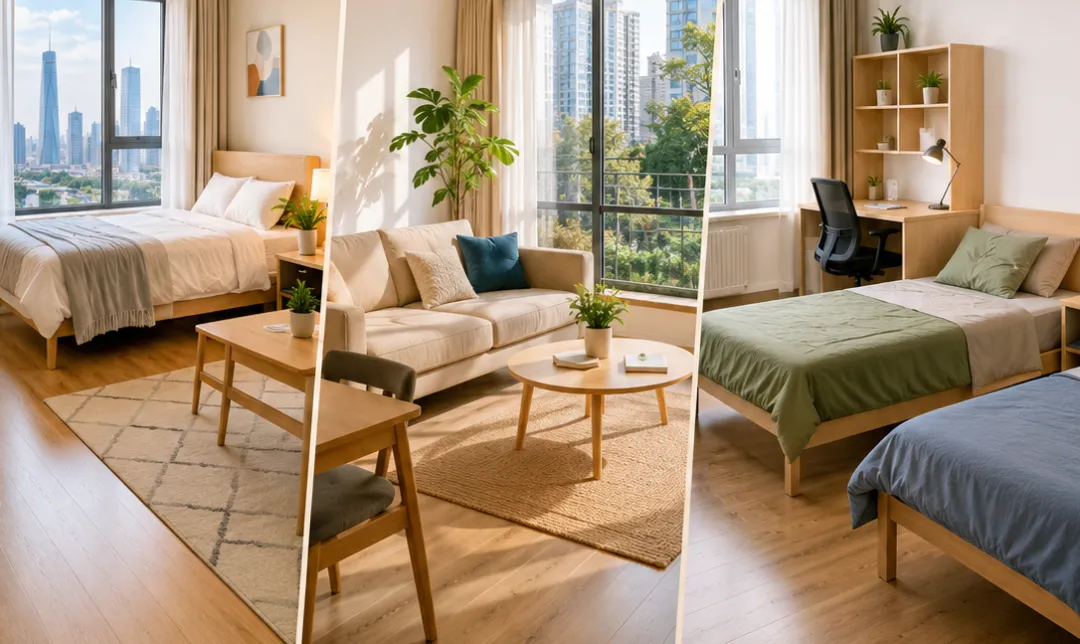
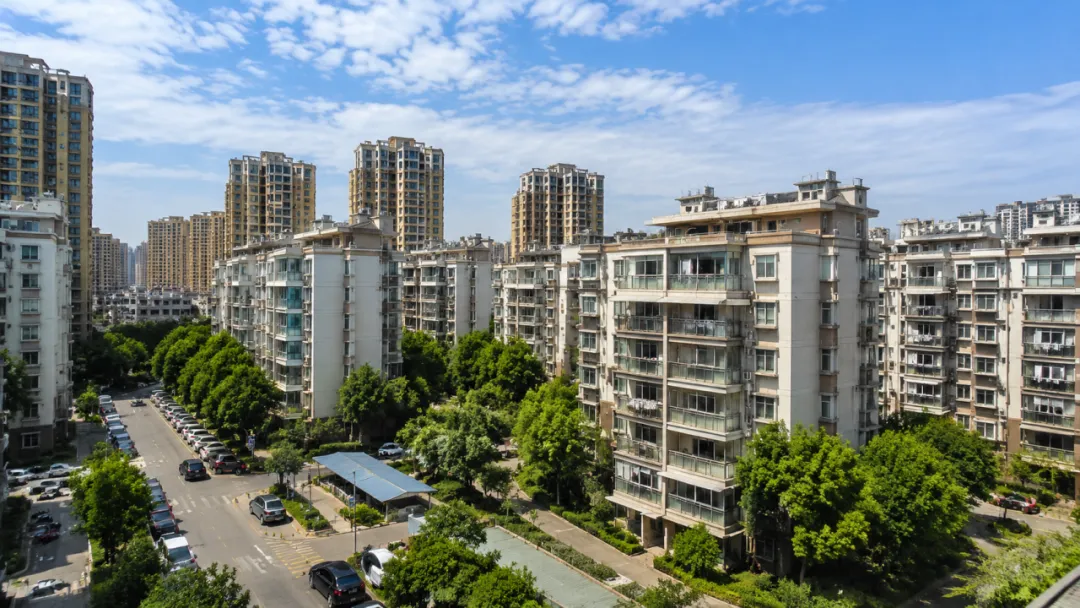
🏢 Ordinary residential apartment
The most common form of Chinese housing — rented from individual landlords or agencies. Huge choice, relatively affordable, and the most authentic local experience (entire unit or shared/co-living).

🏨 Serviced / hotel-style apartment
Hotel-style management with independent suites, a professional property team, front desk and cleaning. Supports short- and long-term stays — a top choice for many newcomers.
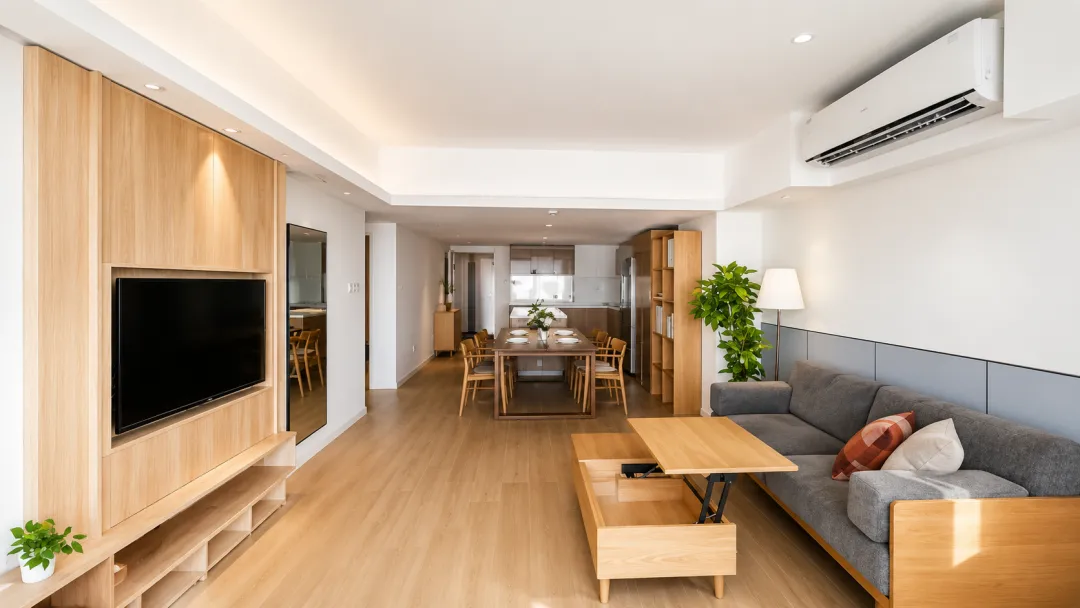
🏠 Decentralized long-term rental apartment
Run by professional operators who lease from individual owners, renovate, furnish, and re-rent. Some platforms have English interfaces and are foreigner-friendly.
Part 2 — What documents do you need?
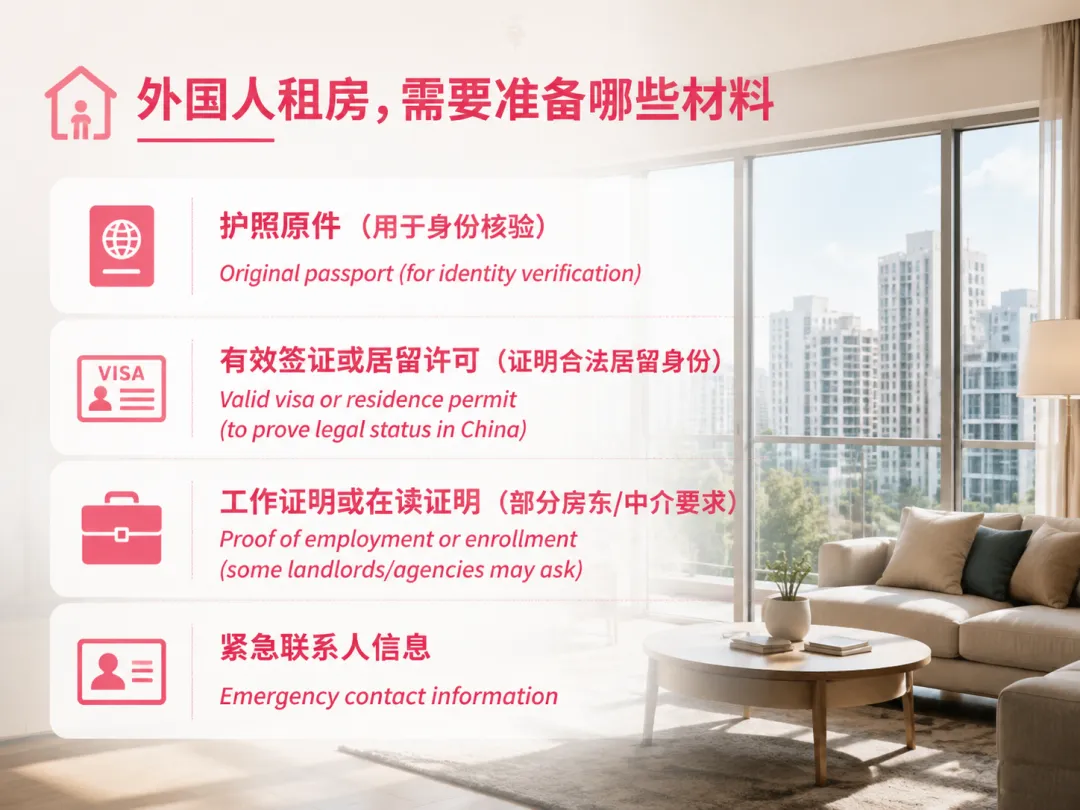
Regardless of housing type, these are generally required:
- Passport (original) — for identity verification.
- Valid visa or residence permit — proves your legal stay status in China.
- Proof of employment or enrollment — some landlords/agencies ask for it.
- Emergency contact information.
💡 Rent payment: China commonly uses "one deposit, three months" (押一付三) — one month's deposit plus three months' rent upfront. Some offer "two deposit, one month" (押二付一). Confirm terms before signing; if you need a receipt for reimbursement, check whether the landlord or apartment can issue an official invoice (发票).
⚠️ Within 24 hours of moving in, you must register your accommodation with the local public security authorities. Some areas support online registration — check the local police or government service platform in advance. Some hotels assist; if you rent an ordinary apartment, bring your passport and lease to the local police station in person. Failure to register may mean fines or legal trouble. (See our Visa & Residency page.)

Part 3 — Before signing: key things to check
Lease term & renewal
Confirm start/end dates and whether renewal needs advance notice or a rent increase. Many disputes start with misunderstood renewal terms — clarify before signing.
Deposit amount & refund
Usually 1–3 months' rent. Confirm the refund timeline (typically 7–30 days after move-out) and the conditions for deductions, to avoid disputes later.
Are utilities included?
Serviced apartments usually include utilities and WiFi; ordinary apartments usually don't. Confirm to avoid surprise bills after moving in.
Early termination clause
What is the penalty, and how much notice? This matters especially for expats, whose jobs or visas can change plans unexpectedly.
Maintenance responsibility
Which repairs are the landlord's vs. yours? Photograph every room and appliance on move-in day — it prevents unnecessary disputes at checkout.
Part 4 — Common rental traps to avoid

❌ Fake listings
Online photos don't match reality, or a unit is already rented but still listed. Always view in person before paying anything — never decide on photos and descriptions alone.
❌ Unlicensed agencies
Some small agencies operate without a license and vanish after collecting fees. Choose a licensed, reputable agency to cut your risk.
❌ Verbal promises don't count
Renovations, new appliances, etc. promised by the landlord must be written into the contract. Verbal commitments are hard to enforce — get everything in writing.
❌ Deposit disputes
Having your deposit withheld for dubious reasons at checkout is common. Document the property with photos at move-in and get written confirmation of its condition at move-out.