
The most common situation is simple: the place looks fine, the landlord seems nice, the contract looks standard, so you sign. Then something goes wrong — and that "standard contract" suddenly doesn't protect you. Below, the most common rental nightmares are organized into 4 legal traps. About a 6-minute read.
30-second snapshot
🪪 Trap 1 — Who are you signing with?
Does the other party actually have the right to lease this property?
💰 Trap 2 — Where's your money?
Is your deposit and rent safe and recoverable?
🏠 Trap 3 — Can you live here?
Is the apartment legal and actually habitable?
🛂 Trap 4 — Can you stay in China?
Will the lease support your residence-permit registration?
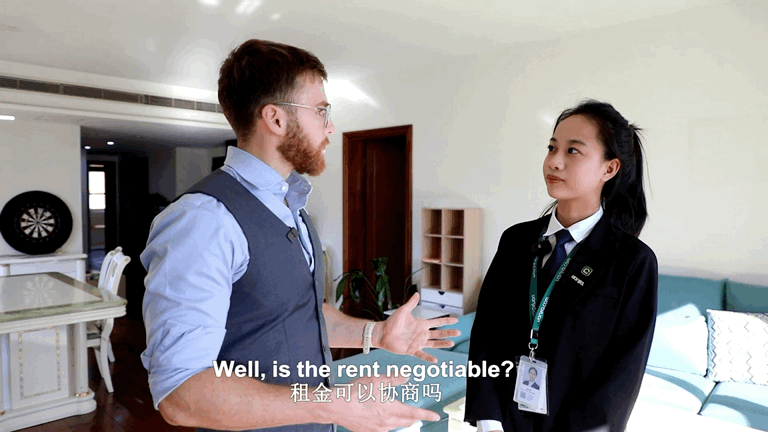
Trap 1 — Who are you actually signing with?
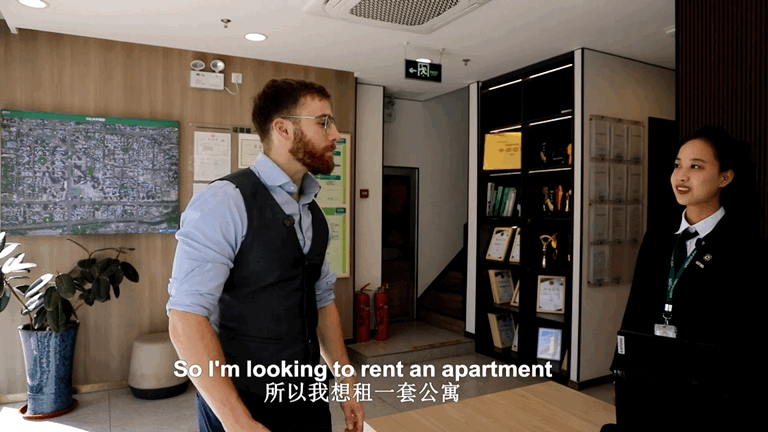
Does the person across the table have the legal authority to rent this property to you?
You're not renting from who you think
The signer isn't the owner — a sublessor, a relative, or a "property manager." Months later the real owner appears: "I never authorized this. You need to leave." Under Article 171 of the Civil Code, an act by someone without (or beyond) authority is not binding on the owner unless ratified. The Beijing Municipal Housing Lease Regulations require the lessor to provide proof of ownership or authorized subleasing rights. Courts examine whether the signer had proper authorization — without it, the lease isn't binding on the owner, and you can only claim against the unauthorized signer.
Do this: Always see the property ownership certificate (房产证) original and match it to the signer's ID. If not the owner, demand a notarized power of attorney. Originals only — copies aren't enough.
The apartment itself has legal problems
After move-in you discover the property is under court seizure, facing demolition, or tangled in a divorce/inheritance dispute. "Sale does not break an existing lease" (Article 725) only applies if you took possession first; if seized before you leased, the seizure prevails. Courts also check whether the owner concealed the seizure — which may be fraud and grounds to rescind.
Do this: Ask about the property's legal status and check ownership and encumbrances at the local real estate registration center. If the landlord gets nervous or avoids the question — walk away.
Trap 2 — Where does your money go?

The deposit never comes back
You move out; the landlord cites "wall scratches," "dirty AC filter," "ceiling stain" — and ¥8,000 vanishes. Under Article 36 of the Beijing Municipal Housing Lease Regulations, the deposit is generally capped at one month's rent and must be held in a third-party escrow account; the landlord must return it in full unless they prove actual damage you caused. Normal wear and tear is not deductible (Article 713). The burden is on the landlord to prove both the damage and that you caused it.
Do this: Take timestamped photos/videos on move-in — every wall, appliance, corner. Repeat on move-out. The comparison is your strongest evidence.
Rent paid, but you can't move in
You prepaid three months; the previous tenant won't leave. The landlord must deliver a usable property — failure is breach, entitling you to a full refund and damages. Collecting more than three months' rent at once is itself subject to regulatory oversight under Article 36.
Do this: Don't pay before physical delivery. Write the exact delivery date and liquidated damages for delay into the contract.
The landlord raises rent mid-lease
Halfway through, "market went up." The landlord cannot unilaterally raise rent during the term; the Beijing regulations explicitly prohibit it without mutual agreement. Courts enforce the rent clause unless an explicit adjustment clause exists.
Do this: Fix the rent amount; delete any "subject to market adjustment" clause.
The agency disappears after signing
The classic "collect long, pay short" (长收短付) scam: you pay the agency deposit + rent; two weeks later the office is empty and the landlord says they never got paid. Courts sometimes protect good-faith tenants via unjust enrichment, but outcomes are uncertain. Article 36 targets exactly this — escrow for deposits, oversight for rent over three months.
Do this: Pay monthly or quarterly — never a full year upfront. Check the agency's registration with the Beijing Housing Management Bureau.
Trap 3 — Can you actually live here?
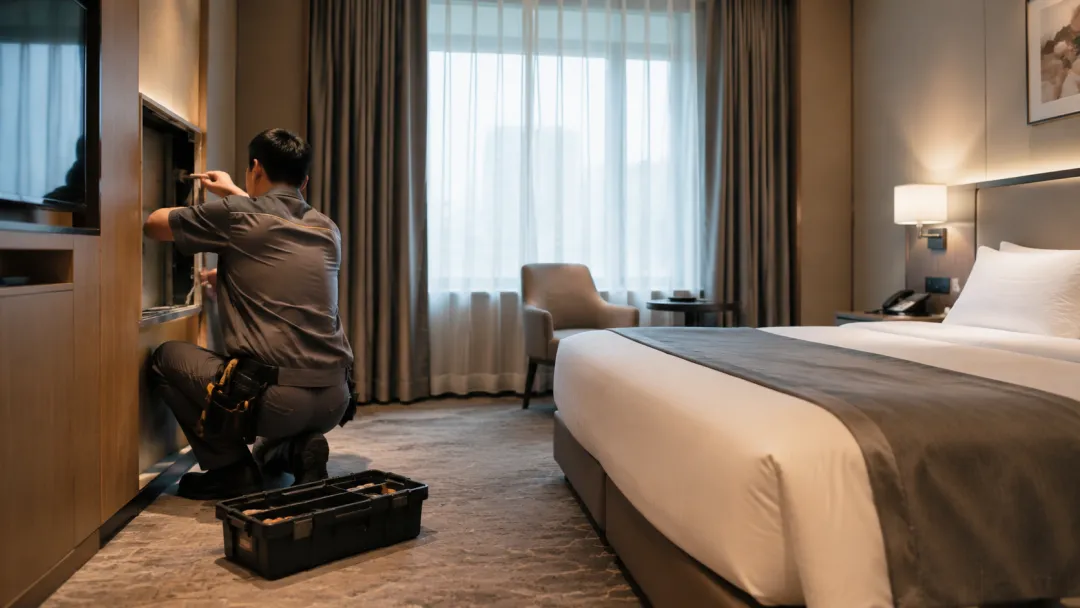
Hidden problems appear after move-in
Weak water pressure, no heat, mold behind the wardrobe, endless renovation next door. Under Article 724, if defects make the property unusable through no fault of yours, you have a statutory right to terminate — no contract clause can waive it. Article 713 lets you repair and charge the landlord if they won't. Courts check: (1) does it affect normal living, (2) did you give written notice, (3) did the landlord fail to respond in reasonable time.
Do this: Document every problem; send written notice (WeChat counts as evidence). If unrepaired in reasonable time, you may terminate and claim a refund.
Illegal partition units get demolished
You rent a partition unit; six months later authorities tear it down and give you 7 days to leave — deposit gone. Beijing banned residential partitions in 2019; a lease on an illegal unit may be void, and deposits are often unrecoverable if the landlord disappears.
Do this: Compare the layout to the official floor plan. More rooms than the plan shows = illegal partition. Don't touch it.
Previous tenant's unpaid bills
The last tenant left unpaid utilities; the management company bills you as the current occupant. You're only responsible for costs during your tenancy — but without clear meter readings, they can pursue you as the current user.
Do this: Write the exact move-in meter readings into the contract; confirm outstanding balances with the management company and utilities before signing.
Trap 4 — Can this lease keep you in China?

The landlord terminates without cause
You pay on time, keep it clean, and still get "my nephew needs it" / "I want to sell." "Sale does not break an existing lease" (Article 725): a new owner must honor your lease. Family needs aren't legal grounds for mid-term termination. In practice, courts may allow termination if the new owner genuinely needs it — but only with compensation for moving costs and other actual losses.
Do this: Ensure a written, signed contract with clear dates. If forcibly evicted, you can sue for breach.
No registration — residence permit denied
You need lease registration for your residence permit; the landlord refuses ("it means paying tax"). Article 15 of the Beijing Municipal Housing Lease Regulations makes registration mandatory within 30 days of signing; refusal is illegal. In practice you may try to self-file via the "京通" app or the Beijing Housing Rental Service Platform — but the landlord's ID and property certificate are still required. If they refuse entirely, you can complain to the housing authority, which can order compliance or fine them.
Do this: Add a clause requiring the landlord to cooperate within 30 days and provide ID + property-certificate information for registration. Refusal is material breach — grounds to terminate with a full refund.
Part II — Before-you-sign checklist
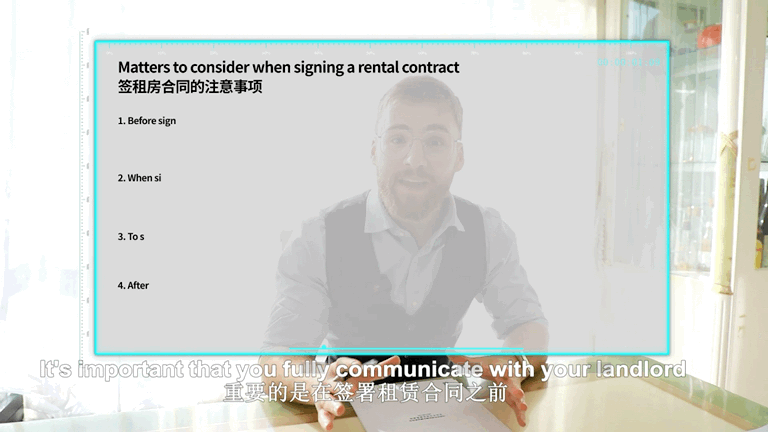
- Lessor identity: property certificate original vs. signer's ID — match? If not the owner, see the notarized power of attorney.
- Cost terms: rent + payment cycle; deposit ≤ 1 month's rent; who pays utilities/property/heat — in writing.
- Maintenance: structural, plumbing, appliance faults are the landlord's; define the written repair procedure.
- Termination: what counts as breach, liquidated damages; avoid "no refund of paid rent" clauses.
- Renewal protection: right of first refusal, renewal cap (≤5%), 60-day non-renewal notice.
- Registration: contract requires landlord cooperation within 30 days, including ID + property-certificate info.
Part III — If things go wrong: your legal toolkit
Preserve evidence
Save chats, voice messages, photos, videos. For key evidence, use a timestamped evidence platform (e.g. 公证云 / 权利卫士).
Written demand
Send a written notice stating your position and legal basis, with a deadline to reply.
Mediation
Neighborhood committee or sub-district mediation center — free and fast, but both sides must agree.
Administrative complaint
Agency fraud → Beijing Housing Bureau; illegal partitions → urban management; refusal to register → housing authority.
Litigation
Beijing has specialized housing courts. Claims under ¥50,000 go through the small-claims procedure. Foreign tenants have equal legal standing.
Advanced move: If the landlord fundamentally breaches, you may exercise the right of simultaneous performance — suspending rent until the breach is cured. This often pushes the landlord back to the table faster than a lawsuit. Consult a lawyer first.
Disclaimer: Curated from a public legal commentary for general reference only; not formal legal advice. For disputes, consult a licensed lawyer in China. Source: LawyerYang (杨立律师), Crossroads, originally published 2026-06-27.